

How Teams Refine Their Messaging for Better Communication and Collaboration
Every team has smart people with great ideas. But without clear, consistent messaging, those ideas get lost in translation. Misaligned messages lead to duplicated work, missed deadlines, and frustrated colleagues. According to a report by the Economist Intelligence Unit, poor workplace communication contributes to increased stress, missed deadlines, and lost sales. The good news? Messaging is a skill your team can sharpen together. Below, you will find a practical framework for refining team messaging so communication becomes a driver of collaboration rather than a barrier to it.
What Is Team Messaging (and Why It Matters)
Team messaging is the practice of crafting, delivering, and aligning communication so every member of a group understands objectives, context, and next steps. It goes beyond choosing words; it includes tone, structure, and the channel you use to deliver information.
When messaging is refined, teams gain clarity, reduce misunderstandings, and respond to challenges with agility. Organizations that prioritize team communication training create environments where information flows efficiently and decisions happen faster.
Step 1: Diagnose Your Messaging Gaps
Before you can fix messaging, you need to know where it breaks down. Start with a simple audit.
Common Symptoms of Poor Messaging
- Action items from meetings are interpreted differently by different people.
- Emails require multiple follow-ups before the intent is clear.
- Cross-functional projects stall because teams use different terminology for the same concept.
Ask your team two questions: "What was the last miscommunication that cost us time?" and "Where do you feel least informed?" The answers will reveal patterns you can address systematically.
Step 2: Build a Shared Language
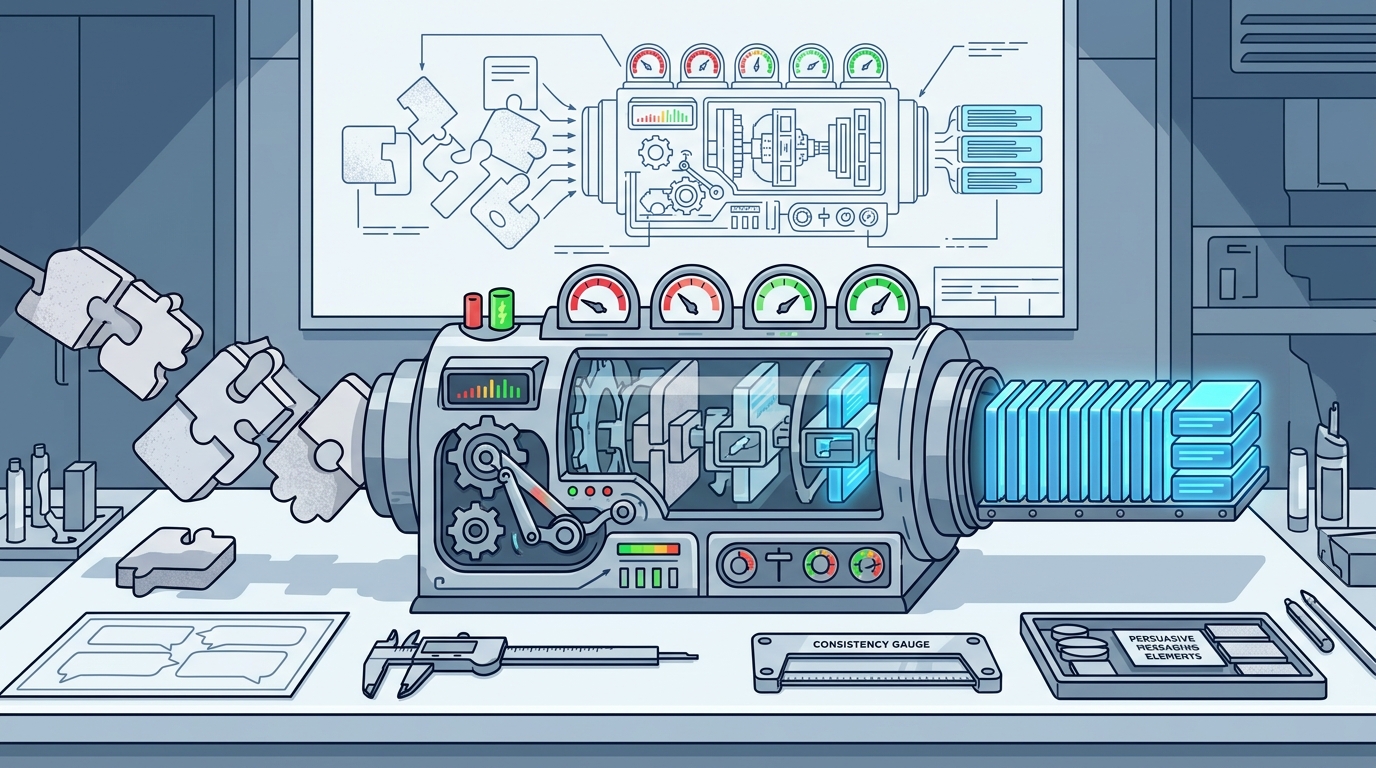
A shared language is a set of agreed-upon terms, definitions, and frameworks a team uses to communicate consistently. Without it, the same word can mean different things to different departments.
For example, "done" might mean "code complete" to engineering but "shipped to the customer" to sales. Define these terms in a living glossary, and revisit it quarterly. This kind of alignment is exactly what a messaging and structure workshop helps teams establish from the ground up.
Step 3: Structure Every Message for Clarity
Ambiguity is the enemy of collaboration. Whether you are writing a Slack message or presenting a quarterly update, structure transforms vague communication into actionable direction.
The Claim-Evidence-Action Framework
| Element | Purpose | Example |
|---|---|---|
| Claim | State the point upfront | "We need to shift launch timelines by two weeks." |
| Evidence | Provide supporting data | "QA found 14 critical bugs; fixing them takes 10 business days." |
| Action | Define the next step and owner | "Maria will update the project plan by Friday." |
This simple framework works in emails, presentations, and stand-up meetings alike. Teams that learn to communicate with structure and clarity spend less time correcting mistakes and more time moving work forward.
Step 4: Pair Messaging with Active Listening
Active listening is a deliberate practice of focusing fully on the speaker, processing their message, and responding in a way that confirms understanding. Refined messaging only works when team members also know how to receive information well.
Active listening builds trust because it signals genuine respect for the other person's perspective. In team settings, it allows members to identify underlying concerns, acknowledge contributions, and avoid costly assumptions. If your team struggles here, explore resources on the power of active listening for practical techniques you can use in every meeting.
Step 5: Choose the Right Channel
Today's workplaces offer a wide array of communication channels, from email and Slack to video calls and shared documents. Choosing the right one matters as much as crafting the right words.
Quick Channel Selection Guide
| Situation | Best Channel | Why |
|---|---|---|
| Complex decision-making | Live meeting (virtual or in-person) | Allows real-time discussion, tone, and body language |
| Status updates | Async message or project tool | Respects everyone's schedule; creates a written record |
| Sensitive feedback | 1-on-1 call or in-person | Tone matters; text can easily be misread |
| Quick clarification | Instant message or chat | Fast, low-friction, keeps projects moving |
Choosing the right communication medium, such as a phone call instead of email when tone matters, can significantly improve clarity and connection. Teams that develop a shared channel strategy alongside corporate communication training see faster alignment and fewer dropped balls.
Step 6: Practice, Get Feedback, Iterate
Messaging refinement is not a one-time workshop; it is an ongoing discipline. The most effective teams treat communication as a skill they develop continuously, just like any technical competency.
How to Build a Feedback Loop
- Record and review: Record team presentations or important meetings (with consent) and review them together for clarity.
- Peer coaching: Pair team members to give each other structured feedback on written and verbal messaging.
- Structured training: Invest in hands-on programs such as team communication workshops that provide real-time coaching and repeatable frameworks.
Emotional intelligence is the ability to recognize, understand, and manage your own emotions while being attuned to the emotions of others. Teams that develop EQ alongside messaging skills handle feedback more constructively and turn conflict into cooperation more quickly.
Key Takeaways
- Audit your team's current messaging gaps before jumping to solutions.
- Create a shared language with defined terms to prevent cross-functional confusion.
- Use the Claim-Evidence-Action framework to structure every important message.
- Combine better messaging with active listening to build trust and reduce assumptions.
- Match the communication channel to the situation; not every message belongs in an email.
- Build feedback loops so messaging improvement is continuous, not a one-time event.
- Invest in professional training to give your team repeatable skills they can apply daily.
Frequently Asked Questions
What does it mean to refine team messaging?
Refining team messaging means improving the clarity, structure, and consistency of how your team communicates. It includes choosing precise language, aligning on terminology, and structuring messages so the audience knows the point, the evidence, and the next step.
How does messaging affect team collaboration?
Clear messaging reduces misunderstandings, shortens decision-making cycles, and builds psychological safety. When team members trust that communication will be direct and honest, collaboration improves naturally.
What is the best framework for structuring team messages?
The Claim-Evidence-Action framework is effective for most business communication. Lead with your main point, support it with data or context, and close with a clear action item and owner.
How often should teams revisit their communication norms?
At minimum, revisit communication norms quarterly. Major team changes, such as new members joining, leadership transitions, or shifts to remote work, should also trigger a review.
Can messaging skills be trained or are they innate?
Messaging skills are absolutely trainable. They are not innate talents; you cultivate them through intentional learning, reflection, and practice. Structured programs like those offered by Effective Presentations accelerate this development significantly.
What role does active listening play in team messaging?
Active listening is the other half of effective messaging. Without it, even perfectly structured messages fall flat. Listening confirms understanding, uncovers hidden concerns, and prevents costly rework.
How do remote teams keep messaging consistent?
Remote teams should establish written communication guidelines, choose default channels for specific types of messages, and schedule regular video check-ins to maintain the nuance that text-based channels cannot provide.
What is the ROI of investing in communication training for teams?
Research shows that companies with effective communication plans experience a 4.5x increase in employee retention. Beyond retention, better communication reduces project delays, lowers conflict resolution costs, and accelerates revenue through clearer client-facing messaging.
Ready to Sharpen Your Team's Messaging?
Effective Presentations helps teams build the communication skills that drive real collaboration. Our hands-on workshops give your people a shared framework, live coaching, and practical tools they can use immediately. Request a proposal today and see how refined messaging transforms the way your team works together.