

Presentation Skills Courses for Beginners: Build Confidence Fast
If you have ever felt your heart race before a meeting or gone blank mid-sentence during a team update, you are not alone. Research shows that only about 25% of presenters feel confident in their public speaking abilities, leaving a staggering 75% searching for ways to improve. A presentation skills course is a structured training program designed to help individuals communicate ideas clearly, manage nerves, and engage an audience with purpose. The right course can transform a nervous beginner into a composed, credible communicator. Below, we break down what to look for, which course formats work best, and how to choose the option that fits your goals.
Why Beginners Need Dedicated Presentation Training
Presentation anxiety is not a personality flaw. Glossophobia is the clinical term for the fear of public speaking, and roughly 15 million Americans experience it daily. For beginners, the lack of a repeatable process for organizing thoughts and delivering them under pressure makes every presentation feel like a high-wire act.
Without training, most people rely on instinct, which often means reading slides word-for-word or avoiding presentations entirely. A dedicated course gives beginners a framework they can practice and refine over time, turning anxiety into a manageable signal rather than a career obstacle.
What to Look for in a Beginner Presentation Skills Course
Not all courses are created equal. Before enrolling, evaluate these criteria:
Personalized Feedback
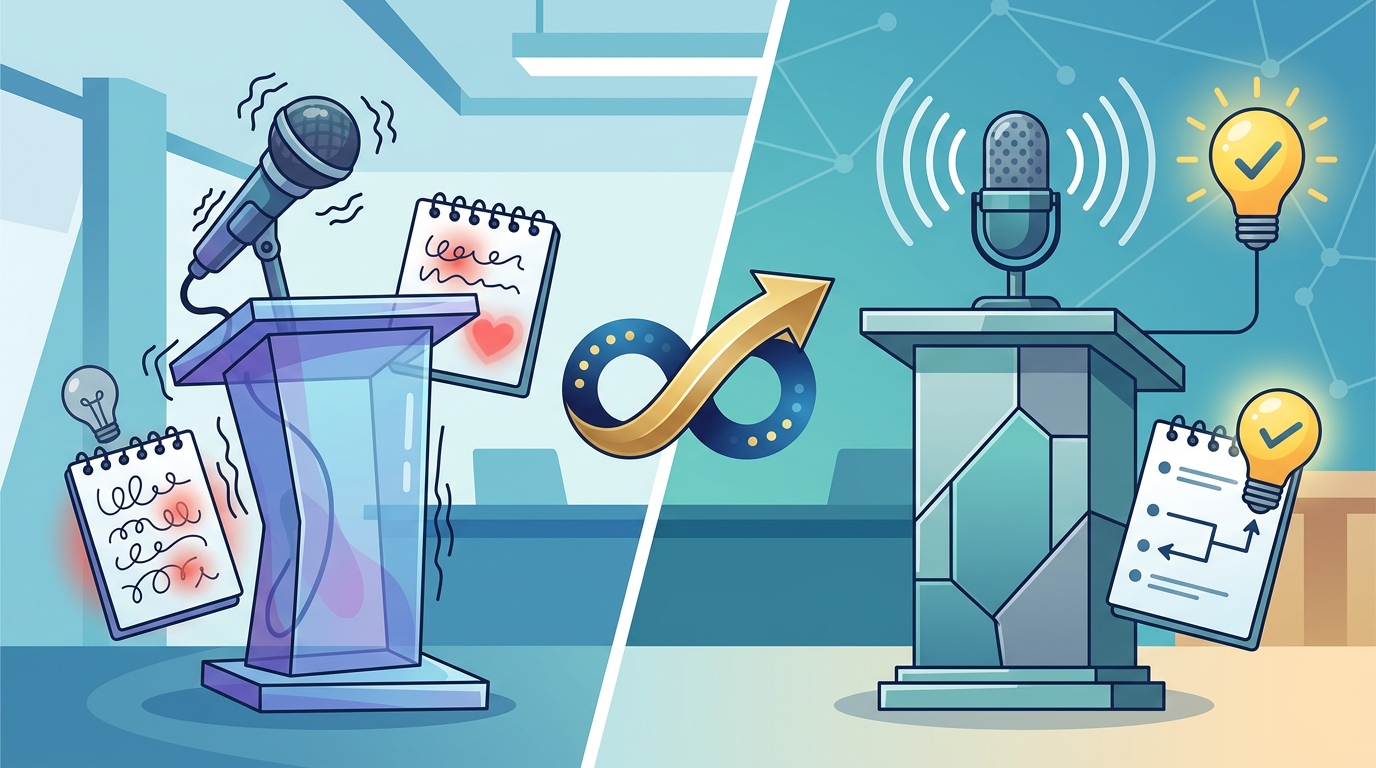
Generic lecture content will not change your behavior. Look for programs where a presentation skills training workshop includes live practice rounds with direct coaching. The cycle of presenting, receiving targeted feedback, and presenting again is what produces real improvement.
Small Group or One-on-One Format
Large webinar-style classes can feel safe, but they limit individual attention. Programs that cap enrollment or offer one-on-one coaching sessions help beginners work through specific challenges at their own pace.
Practical, Not Academic
The best beginner courses prioritize hands-on exercises over theory. Trainers should be working professionals, not lecturers. At Effective Presentations, for example, trainers are nationally certified communication experts with real-world experience coaching Fortune 500 teams.
Course Formats Compared: In-Person, Virtual, and Self-Paced
Choosing the right format depends on your schedule, budget, and learning style. Here is how the three main options stack up:
| Format | Best For | Live Feedback | Flexibility | Typical Duration |
|---|---|---|---|---|
| In-Person Workshop | Immersive, rapid growth | Yes, real-time | Low (fixed dates) | 1 to 2 days |
| Live Virtual Training | Remote professionals | Yes, real-time | Medium | Half-day to full-day sessions |
| Self-Paced Online Course | Budget-conscious learners | No | High | Varies (hours to weeks) |
Live formats consistently outperform self-paced options for beginners because presenting is a skill built through repetition under coaching, not information absorption alone. If travel is a barrier, live online presentation skills training provides the same coached practice model without the commute.
Top Skills Every Beginner Course Should Cover
A well-rounded beginner program addresses both delivery mechanics and message design. Here are the core competencies to expect:
Message Structure and Clarity
Message structure is the logical framework that organizes your ideas so an audience can follow and remember them. Without it, even brilliant content falls flat. Courses that include messaging and structure training teach you to open with impact, build a clear narrative, and close with a memorable call to action.
Confident Body Language and Vocal Delivery
Non-verbal cues account for roughly 55% of your communication impact. Beginners often underestimate how posture, eye contact, and vocal variety influence credibility. Look for courses that drill these delivery skills through video review and coached exercises.
Managing Nerves and Building Presence
Executive presence is the combination of confidence, poise, and authenticity that makes others want to listen. Even at the beginner level, learning simple techniques for breathing, grounding, and reframing anxiety can dramatically improve how you show up in front of a group.
Why Coached Practice Beats Passive Learning
There is a critical difference between knowing presentation theory and being able to perform under pressure. Self-paced courses explain concepts well, but they do not provide the live practice and real-time coaching that produces behavioral change. Programs like the business presentation skills workshop at Effective Presentations use a cycle of skill introduction, live practice, direct coaching, and a second attempt to lock in improvement.
This coached approach matters because confidence is not built by watching videos. It is built by standing up, speaking, hearing what worked, and doing it again with adjustments. For beginners especially, that feedback loop is what turns knowledge into skill.
Closing the Confidence Gap: What the Data Says
The numbers paint a clear picture of why investing in presentation training pays off:
- Over 92% of professionals agree that strong presentation skills are crucial for career success.
- Employees who are confident presenters are 70% more likely to be promoted to management roles.
- The fear of public speaking can reduce wages by 10% and limit promotions by 15%.
- Organizations that invest in communication training see higher retention, with 94% of employees saying they would stay longer at a company that invests in their development.
Warren Buffett has famously stated that improving your public speaking can raise your professional value by 50%. For beginners, the return on a single training course can ripple through years of meetings, pitches, and leadership moments.
Key Takeaways
- Only 25% of presenters feel confident in their skills, making beginner training one of the highest-impact investments you can make.
- Prioritize courses with live, coached practice over passive, self-paced video content.
- Look for small group or one-on-one formats with nationally certified trainers.
- A strong course covers both delivery mechanics (body language, vocal variety) and message design (structure, storytelling).
- Live virtual training offers the same quality as in-person workshops with greater scheduling flexibility.
- Presentation confidence directly correlates with career advancement, higher wages, and leadership credibility.
- Start with a structured program, then reinforce skills through ongoing practice or short masterclass sessions on specific topics.
Frequently Asked Questions
What is the best presentation skills course for complete beginners?
The best course for beginners includes live coached practice, personalized feedback, and a structured curriculum covering message design and delivery. Programs like those offered through Effective Presentations' workshops are specifically built for professionals at every level, including those with zero formal training.
How long does it take to improve presentation skills?
Most participants notice a measurable improvement within a one- or two-day intensive workshop. Long-term mastery comes from continued practice, but the foundational techniques taught in a beginner course can be applied immediately in your next meeting or presentation.
Are virtual presentation courses as effective as in-person training?
Yes, when they use a live, instructor-led format with coached practice rounds. Pre-recorded courses lack the interactive feedback that drives real behavioral change. Effective Presentations' virtual program uses the same coached practice model as its onsite workshops.
How much do presentation skills courses cost?
Costs range widely. Free online resources exist but lack feedback. Self-paced courses run from $50 to $500. Professional instructor-led workshops, which deliver the strongest results for beginners, typically range from $500 to $2,500 depending on format and duration.
Can presentation training help with public speaking anxiety?
Absolutely. Structured exposure in a supportive environment is one of the most effective ways to reduce speaking anxiety. Participants frequently report significant confidence gains by the end of even a single workshop session.
What skills will I learn in a beginner presentation course?
Core skills include message organization, opening and closing techniques, body language, vocal variety, managing nerves, audience engagement, and slide design basics. Advanced beginner courses may also cover storytelling and persuasion frameworks.
Do I need prior experience to enroll in a presentation skills course?
No prior experience is required. Beginner courses are designed specifically for people who are new to formal presenting or who want to rebuild their skills from the ground up. Trainers tailor feedback to your starting level.
Take the First Step Toward Confident Presenting
The gap between where you are now and where you want to be as a communicator is smaller than you think. It starts with one structured learning experience and a willingness to practice. Talk to a trainer at Effective Presentations to find the right course format for your goals, schedule, and experience level. Your next presentation could be the one that changes how people see you.