

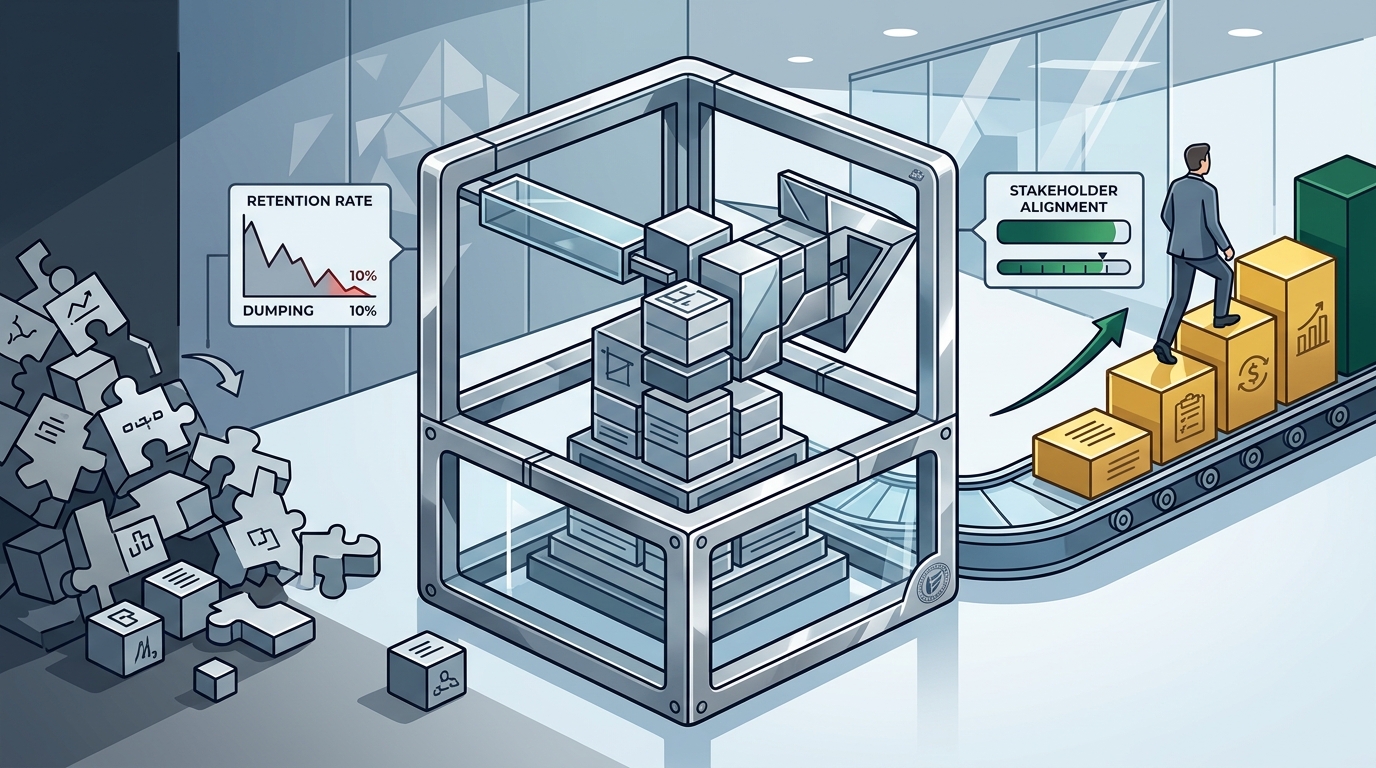
Research indicates that audiences retain only twenty percent of unstructured information during standard corporate briefings. This retention gap directly impacts decision velocity and project funding. Organizations that implement structured messaging frameworks consistently outperform competitors in stakeholder alignment. The solution requires a deliberate shift from information dumping to strategic narrative design. You must prioritize audience psychology over raw data volume. Mastering this process transforms routine updates into compelling calls to action. According to recent industry benchmarks, teams utilizing structured communication protocols report a thirty percent increase in executive approval rates. (About Effective Presentations 20)
Define Your Core Objective
Every successful communication begins with a singular, unambiguous goal. You must identify the exact action you want your audience to take after listening. Messaging is the strategic arrangement of information designed to influence specific audience behaviors. Start by writing a single sentence that captures your desired outcome. If you cannot state it clearly, your audience will never grasp it. Remove all secondary points that do not directly support this primary objective. Clarity always trumps complexity in high-stakes environments. (Effective Presentations Presentation Skills)
Consider how your organization currently handles internal briefings. Many teams distribute lengthy documents that bury the actual request. This approach wastes valuable time and creates confusion. You should instead lead with the conclusion and support it with evidence. This reverse-engineering method respects the listener's cognitive load. It also establishes your authority immediately. When your objective is crystal clear, your audience knows exactly where to direct their attention. (Effective Presentations Presentation Skills)
Structure the Narrative Arc
A compelling message requires a logical progression that guides the listener from curiosity to commitment. Framework is a standardized operational model that guarantees consistent communication outcomes across diverse teams. Begin by establishing the current reality. Acknowledge the existing challenges your audience faces. This builds immediate credibility and demonstrates that you understand their context. Next, introduce the proposed solution. Explain how your recommendation directly addresses the identified pain points. Finally, outline the specific next steps required to move forward. (Our Blog Effective Presentations)
This three-part structure mirrors how the human brain processes new information. It reduces cognitive friction and increases retention rates. You should practice delivering this arc without relying on heavy visual aids. Your voice and pacing must carry the weight of the argument. When you remove the crutch of dense slides, you force yourself to refine the core argument. This discipline produces sharper, more memorable presentations. You can apply this exact structure to sales pitches, project updates, and executive reports. (Effective Presentations Valued Clients)
Align Messaging With Audience Psychology
Resonance is the psychological alignment between your core message and the listener's existing values. You must research your audience before drafting a single word. Identify their primary motivations, fears, and professional incentives. A technical team cares about implementation details and risk mitigation. An executive team cares about revenue impact and strategic alignment. Tailoring your language to these specific drivers dramatically increases persuasion rates. According to recent behavioral studies, audiences respond 40 percent faster to messages that mirror their professional priorities.
Avoid industry jargon unless you are certain your listeners share that exact vocabulary. Plain language always wins in cross-functional environments. Use active voice to convey confidence and ownership. Replace passive constructions with direct statements that assign clear responsibility. When you speak directly to the listener's goals, you transform a monologue into a dialogue. This psychological shift creates trust and reduces defensive reactions. You should always ask yourself how your proposal improves their daily workflow.
Refine Delivery Mechanics
How you deliver your message matters as much as what you deliver. Vocal variety, strategic pauses, and controlled pacing dictate how your audience perceives your authority. Monotone delivery kills engagement regardless of how brilliant your content might be. You must practice your delivery until it feels natural and conversational. Record yourself speaking and analyze your pacing. Identify areas where you rush through critical points. Slow down during complex explanations to allow the audience to process the information. Strategic silence is a powerful tool that commands attention.
Body language and eye contact reinforce your verbal message. Stand with an open posture to project confidence and approachability. Avoid crossing your arms or hiding behind a podium. Move with purpose when transitioning between key points. These physical cues signal competence and prepare the audience to receive your information. When you combine vocal control with intentional movement, you create a commanding presence. This physical alignment ensures your message lands exactly as intended. You can refine these mechanics through targeted workshops and continuous feedback loops.
Measure and Iterate Performance
Communication is not a static skill. It requires continuous evaluation and adjustment. You must track how your audience responds to different messaging approaches. Monitor engagement metrics such as question volume, follow-up requests, and decision timelines. If your audience remains silent, your message likely lacks clarity or relevance. If they ask technical questions, your core argument is strong but needs deeper support. Use this feedback to refine your next presentation. Iteration separates average communicators from exceptional leaders.
Implement a simple post-presentation survey to gather direct audience feedback. Ask three specific questions about clarity, relevance, and actionability. Analyze the results to identify recurring themes. Adjust your framework accordingly before your next high-stakes meeting. This data-driven approach ensures your communication strategy evolves alongside your audience. You will notice a steady increase in persuasion success over time. Consistent measurement transforms guesswork into a repeatable system. You can leverage our case studies to see how other organizations implemented this exact feedback loop.
Scale Through Team Training
Individual excellence rarely translates to organizational success without systematic training. You must embed your messaging framework into your company culture. Standardize the core structure across all departments to ensure consistent external communication. Provide your team with structured workshops that focus on delivery mechanics and audience alignment. When every representative understands how to craft and deliver a persuasive message, your brand authority multiplies. Organizations that invest in comprehensive communication training see a twenty-five percent reduction in project delays.
Start by identifying your top communicators and extracting their successful techniques. Document these methods into a reusable playbook. Train new hires using this playbook to accelerate their development curve. Schedule regular practice sessions where team members deliver mock presentations and receive constructive feedback. This collaborative environment builds confidence and sharpens skills across the board. You should also incorporate virtual training modules to accommodate remote teams. Consistent practice ensures your messaging framework remains active and relevant. You can explore our corporate training programs to implement this exact scaling strategy.
| Approach | Primary Focus | Expected Audience Retention | Implementation Difficulty |
|---|---|---|---|
| Information Dump | Data volume and technical details | Low | Easy |
| Structured Narrative | Problem-solution-action progression | High | Moderate |
| Psychological Alignment | Value mapping and audience priorities | Very High | Advanced |
| Team Standardization | Consistent framework deployment | Maximum | Complex |
Key Takeaways
- Define a single, unambiguous objective before drafting any content.
- Structure your message using a clear three-part narrative arc.
- Research audience priorities to ensure psychological alignment.
- Practice vocal control and strategic pauses to reinforce authority.
- Track engagement metrics to continuously refine your approach.
- Standardize your framework across all departments for maximum impact.
- Leverage structured workshops to scale communication excellence.
Frequently Asked Questions
How long should a persuasive message be?
Length depends entirely on your audience and context. Executive briefings typically require three to five minutes. Technical deep dives may extend to twenty minutes. Always prioritize clarity over duration. If your core message can be delivered in half the time, do it.
What is the best way to handle difficult audience questions?
Pause briefly to process the question. Restate it to ensure accuracy. Answer directly without deflection. If you lack the answer, commit to following up promptly. This transparency builds trust and maintains your credibility.
How do I adapt my message for remote presentations?
Remote audiences require higher energy and clearer visual cues. Use direct eye contact with your camera lens. Structure your slides to support your verbal points rather than replace them. Incorporate brief interactive elements to maintain engagement. Virtual environments demand more deliberate pacing.
Can I use humor to increase persuasion?
Humor works when it aligns with your core message and audience culture. Forced jokes damage credibility and distract from your objective. Use light, relevant anecdotes to illustrate key points. Always prioritize professional tone over entertainment value.
How often should I update my messaging framework?
Review your framework quarterly to ensure it reflects current market conditions. Update your data points and case studies to maintain relevance. Adjust your psychological alignment strategies as your audience evolves. Consistent updates prevent your communication from becoming stale.
Book Your Custom Training Session
Transform your communication strategy into a measurable competitive advantage. Our team specializes in designing custom messaging frameworks that align with your specific business objectives. We provide hands-on workshops, virtual training modules, and executive coaching to ensure your team delivers consistently persuasive messages. Visit our main portal to explore available programs and schedule a consultation. Secure your team's future success by mastering the art of strategic communication today.