

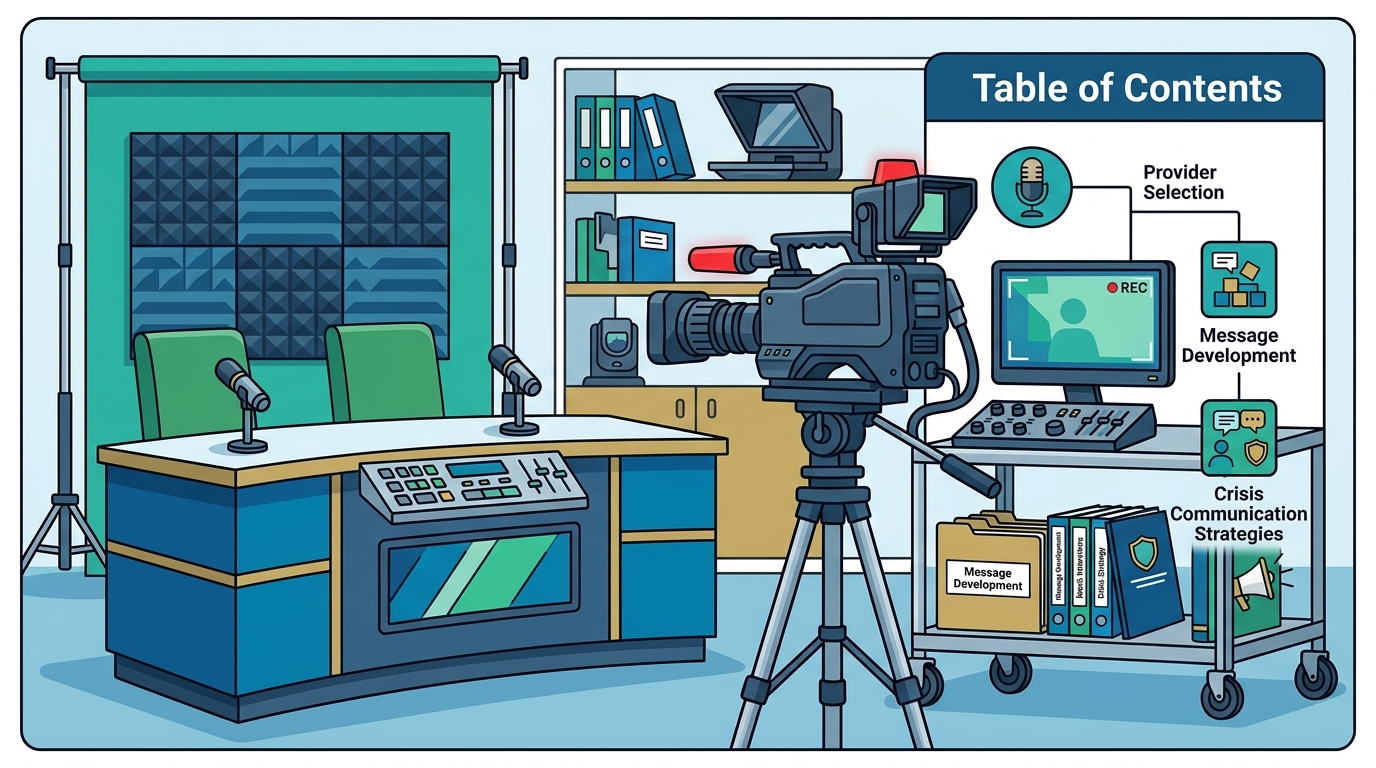
Effective Presentations provides executive media training and on-camera coaching that builds confidence, clarity, and credibility. This guide covers the core components of high-impact media preparation, including provider selection, message development, mock interviews, and crisis communication strategies.
Media Training Providers
Selecting the right partner for executive communication requires evaluating methodology, experience, and delivery format. Media training is a specialized form of communication coaching designed to prepare leaders for interactions with journalists, analysts, and public audiences. The market offers a wide range of options, from large-scale corporate seminars to intimate, high-touch executive coaching. For additional details, review the XML Sitemap Effective Presentations.
Evaluating Provider Methodologies
Not all training is created equal. Some providers focus heavily on theoretical frameworks, while others prioritize practical, real-world application. Effective Presentations distinguishes itself by focusing on a hands-on, transformational approach rather than passive listening. The goal is not just to understand communication concepts, but to embody them under pressure. For additional details, review the .
When assessing a provider, look for evidence of individual attention. Large group seminars often lack the personalized feedback necessary for true behavioral change. A high-quality provider will offer filmed practice sessions and direct coaching on delivery, presence, and message clarity. This ensures that executives can see exactly how they come across to an audience.
The Role of Executive Presence
Executive presence is the ability to command attention and inspire trust in any room or on any camera. It is a combination of vocal control, body language, and authentic confidence. Training that addresses these three pillars helps leaders project authority without appearing aggressive or stiff. This is critical for executives who must influence decisions and lead their teams with credibility.
Effective Presentations has trained over 100,000 individuals and is trusted by more than 1,000 organizations. This track record demonstrates a commitment to delivering measurable results in professional communication. The focus is on turning good ideas into messages that people actually follow.
Message Development
Confidence in delivery is built on the foundation of a clear, compelling message. Message development is the process of structuring key points so they are easy to understand, remember, and act upon. Without a solid message, even the most confident speaker may fail to persuade or inform their audience.
Structuring for Clarity
Executives often struggle with information overload. They know their material deeply, but they may rush through points or lose their flow when presenting. A repeatable framework for structuring thoughts is essential. This involves identifying the core takeaway, supporting it with three key points, and providing a clear call to action or conclusion.
Clarity is the enemy of complexity. When messages are simple and direct, they resonate more deeply with audiences. This is particularly important in media interviews, where time is limited and attention is fleeting. A well-developed message ensures that the executive's key points come across clearly and persuasively, even in high-pressure situations.
Authenticity and Credibility
While structure is important, authenticity is what builds trust. Audiences can detect when a speaker is reading from a script or reciting a rehearsed response. Effective message development helps leaders find their natural voice while maintaining a clear structure. This balance allows executives to sound natural, credible, and authentic when they speak.
Effective Presentations emphasizes that this is not a personality issue, but a skill gap. Skills can be trained. By working with a coach, executives can learn to structure their thoughts for clear, compelling communication while staying true to their authentic selves.
Mock Interviews
Practice is the bridge between knowledge and mastery. Mock interviews are simulated media interactions that allow executives to practice their responses in a safe, controlled environment. This practice is critical for reducing anxiety and building muscle memory for high-stakes conversations.
The Power of Filmed Feedback
One of the most valuable aspects of mock interviews is the use of video. Seeing yourself on camera provides immediate, objective feedback that is impossible to get from memory alone. Executives can observe their own body language, vocal habits, and facial expressions. This self-awareness is the first step toward improvement.
Effective Presentations includes filmed and coached sessions in its training programs. Participants see exactly how they come across, allowing them to make real-time adjustments. This immediate feedback loop accelerates learning and builds confidence. It transforms abstract advice into concrete, actionable changes.
Simulating Pressure
This type of practice helps eliminate nervous habits such as filler words, fidgeting, or avoiding eye contact. Over time, these habits are replaced with confident, natural delivery. The result is an executive who feels calm, prepared, and confident when they speak.
Crisis Communication
Crisis communication is the management of public messaging during a significant negative event. It is a specialized skill that requires preparation, composure, and strategic thinking. Executives must be able to convey empathy, accountability, and a path forward without providing ammunition to critics.
Preparing for the Unexpected
Effective Presentations helps leaders build trust through effective eye contact and clear, calm delivery. In a crisis, these non-verbal cues are just as important as the words spoken. A leader who appears composed and confident can help stabilize a situation and maintain public trust.
Turning Liability into Advantage
Presentations and media interactions can feel like a liability during a crisis. However, with proper training, they can become an advantage. A well-prepared executive can guide the narrative, address concerns directly, and demonstrate leadership. This turns a potential crisis into an opportunity to showcase the organization's values and commitment to its stakeholders.
The goal is to ensure that presentations and media interactions become an advantage, not a liability. This requires a deep understanding of communication dynamics and a commitment to continuous improvement. Effective Presentations provides the tools and training necessary to achieve this goal.
Comparison of Training Approaches
| Approach | Focus | Feedback Mechanism | Best For |
|---|---|---|---|
| Mass Seminars | Theory and General Tips | Minimal or None | Large Groups, Awareness |
| Executive Coaching | Individual Skills and Presence | Filmed Practice and Direct Coaching | High-Level Leaders, Media Training |
| Workshop Format | Hands-on Practice and Frameworks | Peer and Instructor Feedback | Teams, Rapid Skill Building |
Key Takeaways
- Effective media training requires individual attention and filmed feedback, not just large group lectures.
- Message development is the foundation of confident delivery; structure and clarity are trainable skills.
- Mock interviews with video review are the most effective way to build muscle memory and reduce anxiety.
- Executive presence combines vocal control, body language, and authentic confidence to build trust.
- Crisis communication preparation involves developing adaptable key messages and practicing composure under pressure.
- Choosing a provider with a proven track record, such as Effective Presentations, ensures access to expert, practical guidance.
- Communication is a skill gap, not a personality issue; it can be trained and improved with the right coaching.
Frequently Asked Questions
What is the difference between media training and public speaking?
Media training focuses on one-on-one or small group interactions with journalists and analysts, emphasizing concise, on-message responses. Public speaking focuses on delivering structured presentations to larger audiences. Both require confidence and clarity, but the formats and strategies differ.
How long does it take to see results from media training?
Many executives see immediate improvements in confidence and clarity after a single intensive workshop. However, sustained mastery requires ongoing practice and reinforcement. A two-day intensive program can provide a strong foundation for long-term success.
Is on-camera coaching necessary for executives?
Yes, on-camera coaching is essential for executives who appear in video interviews, webinars, or internal communications. It helps leaders understand how their body language and vocal habits translate to a screen, which is different from in-person delivery.
Can introverts become effective media speakers?
Absolutely. Media training is not about changing your personality, but about enhancing your natural strengths. Introverts often excel in media interviews due to their thoughtful, prepared approach. Training helps them deliver their insights with confidence and clarity.
What should I look for in a media training provider?
Look for a provider that offers individual attention, filmed feedback, and a practical, hands-on approach. Avoid large seminars that lack personalized coaching. A reputable provider will have a strong track record of working with executives and organizations.
How does crisis communication training work?
Crisis communication training involves simulating high-pressure scenarios and practicing how to respond with empathy, accountability, and clarity. It helps executives develop a library of key messages and build the composure needed to navigate difficult conversations.
Conclusion
Executive media training and on-camera coaching are essential investments for leaders who want to influence decisions and lead with credibility. By focusing on message development, mock interviews, and crisis communication, executives can transform their communication from a liability into a powerful advantage. Effective Presentations provides the practical, hands-on training necessary to achieve this transformation. To plan your visit and reserve your seat, .