Public Speaking Training With 1-on-1 Coaching and Direct Feedback
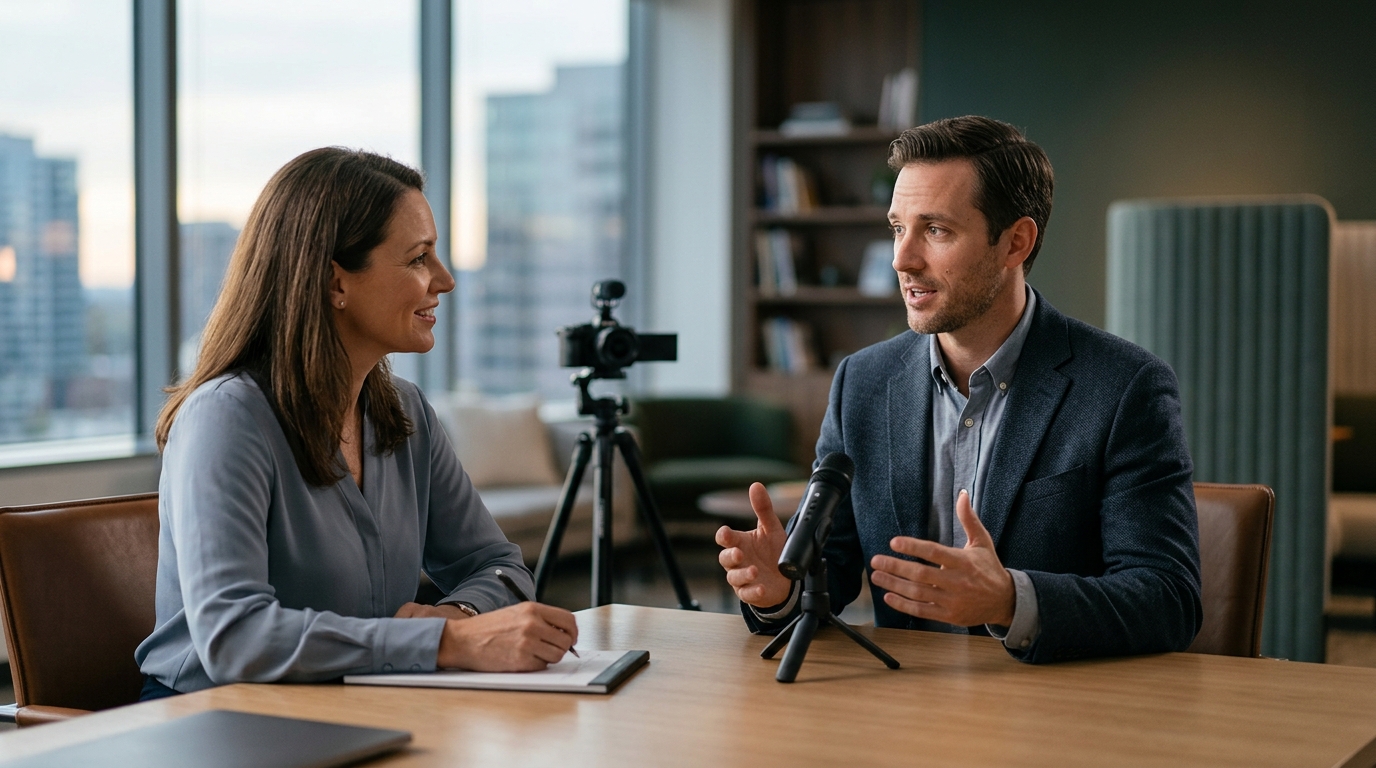
Public speaking training with one-on-one coaching is a private, skill-based program where a professional trainer provides individualized, real-time feedback on your delivery, structure, and presence. This guide covers how personalized feedback works, the specific methods trainers use to accelerate your improvement, and how executive coaching differs from standard workshops. We will examine the mechanics of direct feedback and why it is the fastest path to confident communication.
Personalized Feedback Delivery
Personalized feedback delivery is the process of providing specific, actionable corrections to a speaker based on their unique performance in a given moment. Unlike generic advice, this approach targets the exact habits, vocal patterns, and structural gaps that hinder a specific individual. In a standard seminar, a trainer might address a room of fifty people with broad tips. In a one-on-one setting, the feedback is surgical and immediate.
The Mechanics of Real-Time Coaching
Effective feedback requires a cycle of practice, observation, and correction. When a speaker delivers a presentation, the trainer observes specific behaviors such as eye contact, pacing, and filler words. The trainer then interrupts or pauses the session to provide direct input. This immediate correction allows the speaker to adjust their behavior in real time, creating a new neural pathway for confident delivery. The goal is not just to tell the speaker what went wrong, but to show them exactly how to fix it.
Why Direct Feedback Outperforms Self-Study
Self-study and video review are useful tools, but they lack the objectivity of a trained observer. Speakers often do not see their own nervous habits or structural flaws. A professional coach provides an external perspective that highlights blind spots. This direct line of communication accelerates learning because the speaker does not have to guess what needs improvement. The feedback is specific, actionable, and tied to the speaker's actual performance.
Building Confidence Through Skill Acquisition
Confidence is a byproduct of skill. When a speaker knows exactly what to do with their body, voice, and content, anxiety decreases. Personalized feedback builds this skill set rapidly. By addressing specific weaknesses, the trainer helps the speaker master the fundamentals of delivery. This mastery translates into a natural sense of authority and calm. The speaker walks away with a repeatable framework they can apply in any professional setting.
Personalized Feedback Methods
Personalized feedback methods are the specific techniques trainers use to evaluate and improve a speaker's performance. These methods go beyond simple praise or criticism. They involve structured observation, video analysis, and targeted drills. Each method is designed to address a different aspect of communication, from vocal clarity to physical presence.
Video Analysis and Self-Reflection
Video recording is a cornerstone of modern presentation coaching. The speaker records their presentation, and the trainer reviews the footage with them. This allows the speaker to see and hear themselves as the audience does. The trainer highlights specific moments where the message landed and moments where it did not. This visual evidence makes the feedback undeniable and memorable. The speaker can then re-watch the video to track their progress over time.
Vocal and Physical Presence Drills
Vocal drills focus on pitch, pace, and volume. The trainer listens for filler words like "um" or "uh" and helps the speaker replace them with strategic pauses. Physical drills address posture, gestures, and eye contact. The trainer provides specific cues to help the speaker use their body to reinforce their message. These drills are repetitive and focused, ensuring that the new habits become automatic. The speaker learns to project confidence without sounding aggressive or forced.
Structural and Messaging Feedback
Delivery is only half the equation. The other half is the message itself. Trainers provide feedback on the structure of the presentation. They help the speaker identify the core message and ensure it is clear and compelling. The trainer might suggest a different opening to grab attention or a stronger call to action to drive decision-making. This structural feedback ensures that the speaker is not just performing well, but communicating effectively. The message becomes memorable and persuasive.
| Feedback Method | Primary Focus | Key Benefit |
|---|---|---|
| Video Analysis | Visual and auditory self-awareness | Reveals blind spots and tracks progress |
| Vocal Drills | Pitch, pace, and filler words | Improves clarity and authority |
| Physical Drills | Posture, gestures, and eye contact | Enhances presence and engagement |
| Structural Review | Message clarity and narrative arc | Ensures the content is persuasive |
Executive Presentation Coaching
Executive presentation coaching is a specialized form of one-on-one training designed for senior leaders and C-suite executives. It focuses on high-stakes environments such as board meetings, investor pitches, and all-hands town halls. The stakes in these settings are higher, and the expectations for delivery are more rigorous. Executive coaching addresses the unique pressures and dynamics of leading in the spotlight.
High-Stakes Scenarios and Preparation
Executives often face situations where a single presentation can determine the outcome of a major deal or strategic initiative. The trainer helps the executive prepare for these specific scenarios. This includes anticipating tough questions, managing the room's energy, and maintaining composure under pressure. The coaching is tailored to the executive's specific content and audience. The goal is to ensure the executive is ready for any challenge that may arise during the presentation.
Command Presence and Authority
Command presence is the ability to project authority and confidence in a formal setting. Executive coaching focuses on developing this presence. The trainer works with the executive to refine their voice, posture, and demeanor. The goal is to signal competence and leadership without appearing arrogant or defensive. This presence is crucial for earning the trust of the board, investors, or employees. It is a skill that can be learned and refined through dedicated practice.
Handling Q&A and Difficult Questions
The Q&A segment is often where presentations are won or lost. Executives need to be able to handle difficult, unexpected, or hostile questions with grace and clarity. The trainer provides specific strategies for managing these interactions. This includes how to listen actively, how to reframe negative questions, and how to maintain control of the narrative. The executive practices these scenarios in a safe environment before facing them in the real world. This preparation reduces anxiety and increases the likelihood of a successful outcome.
Key Takeaways
- One-on-one coaching provides specific, actionable feedback that generic seminars cannot offer.
- Video analysis is a powerful tool for identifying blind spots and tracking progress.
- Vocal and physical drills help speakers build automatic habits for confident delivery.
- Structural feedback ensures that the message is clear, compelling, and persuasive.
- Executive coaching focuses on high-stakes scenarios and command presence.
- Handling Q&A effectively is a critical skill for senior leaders.
- Confidence is a byproduct of skill acquisition and repeated practice.
- Direct feedback accelerates learning by providing immediate correction and guidance.
Frequently Asked Questions
What is the difference between a workshop and one-on-one coaching?
A workshop is a group setting where a trainer addresses a larger audience with broad tips. One-on-one coaching is a private session where the trainer provides individualized, real-time feedback on your specific performance. The feedback in coaching is surgical and immediate, allowing for faster improvement.
How long does it take to see results from presentation coaching?
Many speakers notice immediate improvements in their delivery after a single session. However, lasting change requires consistent practice. A typical coaching program involves multiple sessions over several weeks to ensure that new habits become automatic. The timeline depends on the individual's starting point and goals.
Is executive coaching different from standard presentation training?
Yes. Executive coaching is tailored to the unique pressures and dynamics of senior leadership. It focuses on high-stakes scenarios, command presence, and handling difficult questions. Standard training covers the fundamentals of delivery and structure, while executive coaching refines these skills for the C-suite.
Do I need to be a bad speaker to benefit from coaching?
No. Even experienced speakers can benefit from coaching. It helps them refine their skills, identify blind spots, and adapt to new audiences or scenarios. Coaching is about continuous improvement, not just fixing fundamental flaws.
Can coaching be done virtually?
Yes. Many coaches offer virtual sessions via video conferencing. This allows for real-time feedback and video analysis. Virtual coaching is effective for building skills and can be scheduled flexibly to fit your calendar.
What should I expect in a first coaching session?
The first session typically involves an initial assessment. The trainer will observe your presentation, provide initial feedback, and discuss your goals. You will also receive a plan for subsequent sessions, including specific drills and practice assignments.
How do I choose the right coach for my needs?
Look for a coach with experience in your industry and at your level. Read reviews and ask for references. A good coach will listen to your goals and provide a clear plan for achieving them. They should be able to demonstrate their expertise and provide specific examples of their work.
Conclusion
Public speaking is a skill that can be learned, refined, and mastered. One-on-one coaching provides the direct feedback and personalized attention necessary to accelerate this process. By focusing on specific methods like video analysis and vocal drills, speakers can build the confidence and authority needed to lead in any room. For senior leaders, executive coaching offers the specialized preparation required for high-stakes environments. Effective Presentations provides these services, helping professionals turn good ideas into messages people actually follow. To begin your journey, talk to a trainer and find the right plan for your goals.